Teacher Welcome Sign SVG: An Embroidery Review
As a professional designer who spends more time behind an embroidery machine than a computer screen, I approach every new digital asset with a healthy dose of skepticism. When I first opened the Teacher Welcome Sign SVG, I wasn't just looking for a cute graphic; I was evaluating its structural integrity for needle and thread. In the world of Crafts and Graphics, there is often a disconnect between a pristine vector file and a functional machine embroidery design. This review breaks down how this specific digital file translates from screen to fabric, based on real-world testing for client projects and shop inventory.
First Impressions and Design Personality
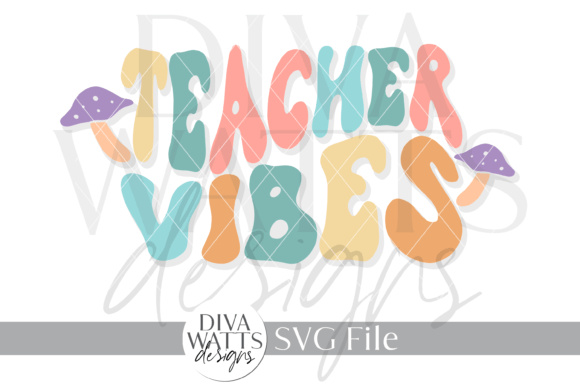
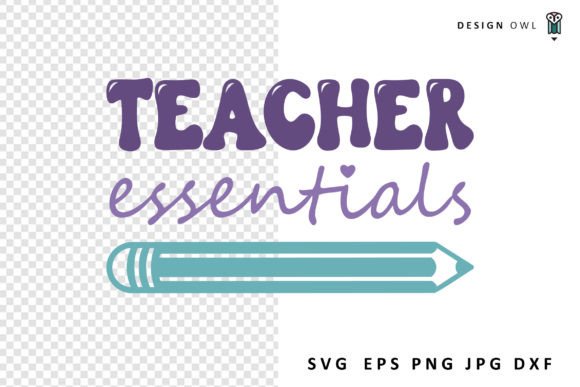
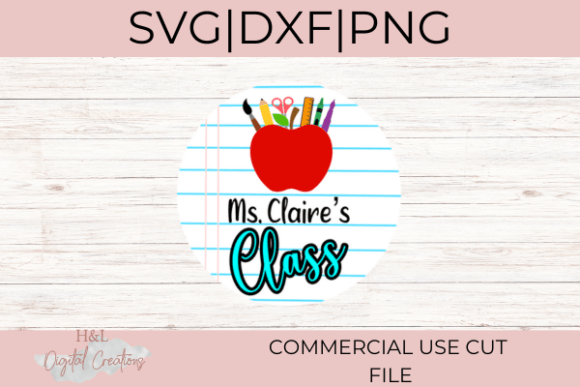
My initial assessment of the Teacher Welcome Sign SVG focused on its visual hierarchy and emotional resonance. The layout strikes a balance between professional authority and warm approachability, which is exactly what modern educators seek in custom apparel and classroom decor. The typography appears clean, avoiding overly ornate serifs that often turn into thread nests during digitization. For an Etsy seller or small shop product creator, this aesthetic versatility is crucial. It doesn't pigeonhole you into a single niche; it works equally well for a kindergarten teacher’s tote bag or a high school department head’s office sign.
However, as a reviewer, I immediately looked at the negative space. In embroidery projects, white space is just as important as stitched areas. This design respects that balance, suggesting it won’t become bulletproof or distort lightweight fabrics. The mood is inviting without being juvenile, making it a strong candidate for personalized gifts that need to feel mature yet celebratory.
Real-World Application: The Back-to-School Tote Test
To truly evaluate this asset, I simulated a production run for a tote bag design intended as a back-to-school gift. Canvas totes are unforgiving; they have texture, seams, and limited hoop stability. I treated the Teacher Welcome Sign SVG as a blueprint for a combination applique design and text element.
The results were promising but required strategic planning. Because the original files provided are SVG, PNG, and DXF formats intended for cutting or printing, converting this into a stitch file requires careful interpretation. I used the SVG lines as precise guides for placement stitches. For the main lettering, I opted for a column satin stitch rather than a dense fill stitch to maintain the fabric's drape. The outcome was a crisp, readable sign that didn't pucker the canvas. This test confirmed that the design’s geometry supports efficient stitching paths, reducing jump stitches and production time—a massive factor for commercial embroidery profitability.
Navigating Fabric Challenges and Hoop Limitations
While the Teacher Welcome Sign SVG is versatile, it demands respect regarding material selection. During my review process, I identified specific scenarios where caution is necessary.
- Textured Fabrics: On burlap or heavy linen, fine details in the welcome sign motif can get lost. I recommend using a water-soluble topping to ensure the running stitch outlines remain visible above the fabric weave.
- Stretchy Knits: If applying this to a sweatshirt embroidery project or baby onesie, the design’s stability depends entirely on your stabilizer choice. The clean lines of this graphic will highlight any registration errors caused by fabric stretch. Always use a cut-away stabilizer for knits to prevent distortion after washing.
- Small Hoop Sizes: Resizing is inevitable. If you must shrink this design for a cap or pocket, verify the minimum legible text size. Serif fonts in the Teacher Welcome Sign SVG may require simplification below 4mm height to prevent thread breaks.
- Dark Fabrics: Contrast is king. On navy or black garments, ensure your thread colors provide sufficient pop. A white outline or light background fill may be necessary to preserve the design’s readability.
Impact on Product Value and Customer Trust
In the handmade marketplace, presentation dictates price. A poorly executed embroidery file leads to puckering, misalignment, and returns. Conversely, a well-adapted Teacher Welcome Sign SVG elevates the perceived value of the finished product. When customers see crisp edges and intentional spacing, they trust the maker. This design facilitates that professionalism because its vector origins allow for scalable precision that raster images cannot match.
For digital product sellers offering printables alongside physical goods, the included PNG file serves as an excellent printable mockup base. This consistency between your digital listings and physical handmade products builds brand recognition. Buyers appreciate seeing exactly what they will receive, whether it is a digital download or an embroidered patch.
Critical Designer Notes Before You Stitch
Before loading this design into your machine or listing it in your shop, please heed these practical warnings derived from professional experience:
- Verify File Compatibility: The product includes SVG, PNG, and DXF files. These are primarily vector and image formats. Unless you possess digitizing software to convert these into PES, DST, or JEF files, this is not a ready-to-stitch digital embroidery file. Confirm your workflow before purchase.
- Test on Scrap Fabric First: Never run a new design directly on a client’s garment. Test the Teacher Welcome Sign SVG conversion on similar fabric weight and texture to check stitch density and tension.
- Check Licensing Terms: While perfect for craft business use, always confirm if the license permits selling finished embroidered items versus digital resales. Protect your business by understanding usage rights.
- Mockup in Black and White: Before committing to color, view the design in grayscale. This reveals whether the contrast relies solely on hue or if the values stand alone, ensuring accessibility and clarity in holiday embroidery or monochromatic branding.
- Inspect Corner Details: Sharp corners in vector graphics can translate to bulky thread buildup. Round off acute angles slightly during digitization to prevent needle deflection and improve durability on frequently washed items like aprons or tea towels.
Final Verdict for Makers and Sellers
The Teacher Welcome Sign SVG is a robust foundation for creative entrepreneurs, provided it is handled with technical intention. Its strength lies in its clean architecture, which adapts well to both baby embroidery keepsakes and professional educator gear. For the apparel decorator or hobbyist willing to bridge the gap between vector art and stitch physics, this design offers significant potential. It avoids the cluttered complexity that plagues many seasonal graphics, focusing instead on timeless appeal.
Ultimately, success with this asset depends on your preparation. Treat the SVG as a high-quality map rather than a destination. By respecting fabric texture, validating hoop size constraints, and ensuring proper file conversion, you can transform this digital graphic into a tangible, high-value product that resonates with teachers and buyers alike. Whether you are creating a boutique collection or fulfilling custom orders, this design earns its place in a professional crafter’s library through adaptability and enduring style.