Teacher Nutrition Facts SVG: An Embroidery Review
As a professional embroidery designer and product reviewer, I approach every new graphic asset with a specific question: will this actually stitch out cleanly on fabric? When evaluating the Teacher Nutrition Facts - SVG, my assessment goes far beyond its visual appeal on a screen. While this design is marketed as a versatile graphic for printing on mugs, pillows, and apparel, my focus is strictly on its viability as a machine embroidery design. The "Nutrition Facts" label format is iconic and instantly recognizable, which makes it a high-value concept for custom apparel and personalized gifts. However, translating a vector graphic intended for print into a tactile stitched product requires careful consideration of line weight, text size, and overall density.
First Impressions and Design Personality
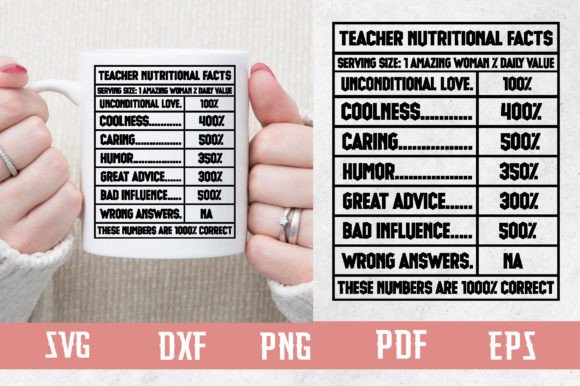
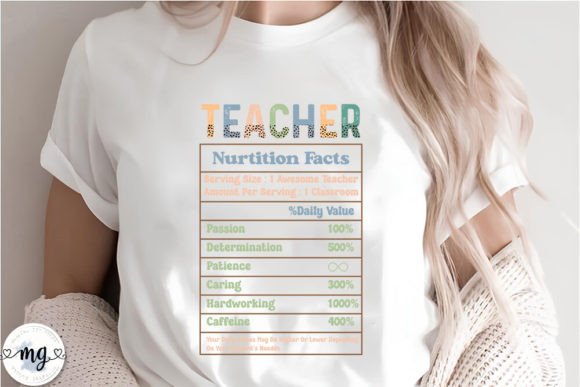
Upon opening the file, the Teacher Nutrition Facts - SVG presents a clean, structured layout that mimics the familiar FDA nutrition label. From a crafter’s perspective, this grid-based aesthetic is satisfying because it offers clear boundaries for hooping and placement. The mood is playful yet organized, striking a balance between humor and professionalism that resonates well with educators. For an Etsy seller or small shop product creator, this theme is evergreen. It avoids being overly cutesy, making it appropriate for high school teachers, university professors, and administrators alike.
However, because the source file is an EPS (Encapsulated PostScript), it is crucial to understand that this is a vector graphic, not a pre-digitized embroidery file. This distinction matters immensely. As a designer, I see excellent potential here, but I also see the need for intentional digitizing. The straight lines and blocky text are ideal for satin stitch borders and columns, but the interior spacing must be managed to prevent puckering on stretchy fabrics like sweatshirts or t-shirts. The design’s personality is bold and legible, which is exactly what you want for a tote bag design or sweatshirt embroidery where readability from a distance is key.
Real-World Application: The Teacher Appreciation Tote
To truly evaluate this asset, I mentally placed it in a real-life production scenario: creating a custom canvas tote bag for a teacher appreciation gift. Tote bags are a staple handmade product because they offer a flat, stable surface for stitching. In this context, the Teacher Nutrition Facts - SVG shines as a centerpiece. The rectangular shape fits perfectly in standard 5x7 or 6x10 hoops, allowing for a substantial design without requiring excessive re-hooping.
For this project, I would envision using a crisp black thread on natural canvas to maintain that authentic label look. The contrast is essential; thread colors must be distinct to ensure the "ingredients" list is readable. If I were adapting this for a dark navy sweatshirt embroidery project, I would switch to white or cream thread, but I would also increase the column width slightly during the digitizing phase. Dark fabrics tend to swallow fine details, and the intricate lines of a nutrition label can get lost if the stitch density isn't adjusted. This design works beautifully for holiday embroidery gifts or end-of-year presents because it feels personalized yet universally understood within the education community.
Navigating Fabric Challenges and Hoop Limitations
While the concept is strong, practical execution requires caution. The Teacher Nutrition Facts - SVG contains significant text elements. In embroidery, text is often the failure point. If you attempt to resize this design down for a baby onesie or a small pocket logo, the lettering may become illegible. I strongly advise against using this specific layout for baby embroidery or small cuffs unless you have advanced digitizing skills to simplify the text. Tiny letters often result in thread breaks and bobbin jams.
Fabric texture also plays a massive role. On smooth cotton or canvas, the design will render sharply. On textured fabrics like terry cloth towels or fleece blankets, the fine horizontal lines of the nutrition label may sink into the pile. In these cases, you must use a water-soluble topping and a sturdy stabilizer to keep the stitches on the surface. Furthermore, curved surfaces present a challenge. I would hesitate to use this full rectangular design on a cap or hat. The rigid geometry of the nutrition label fights against the curve of a visor, leading to distortion. Instead, reserve this digital embroidery file adaptation for flat garments, aprons, pillow covers, and tea towels where the grid can remain square and true.
Commercial Viability and Brand Consistency
For those running a craft business or selling on Etsy, the Teacher Nutrition Facts - SVG offers excellent commercial potential. The "Nutrition Facts" parody is a recognized trope, which helps with buyer engagement and searchability. However, professionalism is paramount. A sloppy stitch-out with gaps in the satin columns or misaligned text will damage customer trust. Because you receive an EPS file, you have the freedom to customize the text before digitizing. This is a massive advantage for commercial embroidery. You can change "Patience" to "Coffee" or "Grading" to "Recess" to create niche variations for different grade levels or subjects.
This customization capability elevates the perceived value of the finished product. A generic teacher shirt is common; a customized nutrition label that references specific classroom realities feels bespoke. When listing these items, use printable mockups alongside photos of actual stitched samples. Buyers need to see how the applique design or fill stitches translate to reality. Ensure you verify the licensing terms of the original SVG purchase before selling finished goods or modified design assets. Ethical business practices build long-term brand consistency and recognition in the handmade marketplace.
Essential Designer Notes for Success
Before loading this design into your machine, adhere to these practical guidelines to ensure a professional outcome:
- Test Stitch First: Never run this design on a final garment without testing on scrap fabric. The EPS must be properly digitized into a machine format (DST, PES, etc.) first. Check for jump stitches and registration issues.
- Verify Text Legibility: Ensure all text height meets the minimum threshold for your chosen font style. Satin stitch text generally needs to be at least 4mm tall to remain clear.
- Stabilizer Selection: Match your stabilizer to the fabric weight. Use cut-away for knits and tear-away for wovens. The dense nature of a label design requires adequate support to prevent tunneling.
- Contrast Check: Test your thread color combination in natural lighting. What looks good on a backlit monitor may lack contrast on physical fabric.
- Hoop Size Confirmation: Measure the digitized design dimensions carefully. Leave adequate margin inside the hoop for the presser foot to move freely without hitting the frame.
- Licensing Review: Confirm whether the EPS license permits commercial use for physical products versus digital resale. Protect your business by understanding these boundaries.
- Density Adjustment: If stitching on lightweight fabric, reduce the underlay or density to prevent stiffness. A nutrition label should not feel like armor on a t-shirt.
The Teacher Nutrition Facts - SVG is a fantastic foundational asset for the creative entrepreneur. It bridges the gap between trendy graphics and meaningful, functional merchandise. By treating the EPS file as a blueprint rather than a final product, and by respecting the mechanical realities of embroidery, you can transform this digital concept into a high-quality embroidered patch, apparel item, or home decor piece that teachers will genuinely cherish. Success lies in the details: proper digitizing, thoughtful fabric pairing, and rigorous testing. When executed with care, this design delivers both visual impact and lasting durability.