Teacher Touch Tomorrow SVG: An Embroidery Review
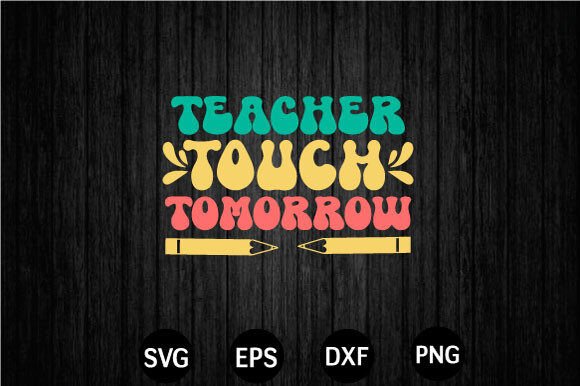
As a professional embroidery digitizer and product reviewer, I approach every new file with a critical eye. When evaluating the Teacher Touch Tomorrow Svg, my first thought isn't just about how it looks on a screen, but how it will translate into physical thread on fabric. This digital artwork is marketed for cutting software like Cricut Design Space and Silhouette Studio, which tells me immediately that the vector lines are clean and continuous. For an embroidery designer, this is excellent news. Clean vectors are the foundation of a superior machine embroidery design, reducing the need for extensive cleanup before digitizing or stitching.
The phrase "Touch Tomorrow" evokes a sense of forward-thinking education, mentorship, and lasting impact. Visually, I expect this design to carry a mood that is both professional and heartwarming. It likely balances modern typography with symbolic graphics, making it versatile for various craft business applications. Whether you are creating custom apparel for a school district or a personalized gift for a retiring educator, the emotional resonance of this theme is high. However, emotional appeal must be backed by technical execution. Below is my practical assessment of using this graphic in real-world embroidery scenarios.
Translating Vector Art to Stitched Reality
When I prepare a project like a custom embroidered tote bag or a heavyweight sweatshirt, the transition from SVG to stitch file is where success is determined. Because Teacher Touch Tomorrow Svg originates as a cutting-ready graphic, the paths should be optimized. In embroidery terms, this often translates to smoother satin stitch columns and more defined edges for applique design work.
For a recent client project involving teacher appreciation gifts, I looked for a design that would hold up on canvas tote bags. The bold nature implied by this title suggests it would perform beautifully as a centerpiece on a tote bag design. Canvas provides a stable base, allowing for higher stitch density without puckering. If you are adapting this SVG for embroidery, pay close attention to the lettering. Script fonts often require manual adjustment to ensure connecting stitches don't create unnecessary jumps or trims. A well-digitized version of this design should utilize running stitch underlay to anchor the fabric before laying down top stitches, ensuring the text remains crisp even after washing.
Best Applications for Commercial and Personal Use
In my experience running a small shop, versatility is key to ROI. This design has strong potential across multiple categories:
- Sweatshirt Embroidery: The collegiate or inspirational vibe fits perfectly on crewneck sweatshirts. Fleece fabrics can swallow fine details, so if you use this for sweatshirt embroidery, consider increasing the width of satin columns slightly to maintain visibility against the textured pile.
- Baby Embroidery: If the design includes softer elements or can be resized, it works for nursery decor or baby blankets. However, baby embroidery requires strict safety standards. Ensure no loose threads or dense areas that could irritate sensitive skin. Always test thread colors for colorfastness.
- Holiday Embroidery: Teachers love seasonal gear. This graphic could serve as a base for holiday embroidery projects when paired with seasonal accents, provided the core message remains legible.
- Etsy Seller Assets: For fellow Etsy seller entrepreneurs, this design offers great mockup potential. Because it is an SVG, you can create high-quality printable mockup previews for your listings before you even stitch a single sample. This saves time and materials while building buyer confidence.
Technical Caution Zones and Fabric Considerations
While Teacher Touch Tomorrow Svg is a promising asset, not every application is safe. As a reviewer, I must highlight where caution is necessary. Detailed graphics with inspirational quotes often contain intricate typography. If you attempt to shrink this design for a cap or a small pocket logo, you risk losing clarity. Small hoop size limitations mean you cannot simply scale down indefinitely. Text below 6mm height often becomes illegible in embroidery unless specifically digitized for micro-stitching.
Fabric texture plays a massive role in the final outcome. On smooth cotton quilting fabric, this design will shine. On highly textured terry cloth or pique knit, the details may get lost. In these cases, using a water-soluble topping is non-negotiable to prevent stitches from sinking into the weave. Additionally, if you are working with stretchy performance wear, your choice of stabilizer is critical. A cut-away stabilizer is usually required to prevent distortion during the stitching process and throughout the garment's life.
I also advise checking the design on dark versus light backgrounds. High contrast is essential for readability. If you plan to stitch white thread on a white shirt for a subtle tone-on-tone look, verify that the fill stitch patterns provide enough texture differentiation. Without proper contrast or texture variation, even the most beautiful digital embroidery file can look flat and unprofessional.
Professional Workflow Checklist Before Stitching
Before listing any finished product in your shop or gifting a handmade product, run through this practical checklist. These steps separate hobbyists from professionals:
- Verify Licensing: The product description mentions immediate download for cutting software. Confirm whether the license extends to commercial embroidery of finished goods or if it is strictly for personal/cutting use. Never assume; always check the specific terms for design assets.
- Test on Scrap Fabric: Never stitch directly on a final product without a test run. Use a scrap piece of the exact same material and stabilizer combination you intend to use. Check for registration issues, thread breaks, or density problems.
- Review Stitch Density: If you are digitizing this SVG yourself, avoid over-densifying. Excessive density causes stiff embroidery and needle breaks. Aim for balanced coverage that allows the fabric to drape naturally.
- Mockup Validation: Create black and white mockups to assess value contrast. If the design doesn't read well in grayscale, it won't read well in thread, regardless of color vibrancy.
- Wash Test: For items like tea towels or custom apparel that face frequent laundering, wash your test sample. Inspect for shrinkage, thread bleeding, or stabilizer residue. Customer trust depends on durability.
Elevating Brand Value Through Thoughtful Execution
Using Teacher Touch Tomorrow Svg effectively is about more than just putting thread on fabric; it is about communicating value. When a customer purchases an embroidered patch or a personalized apron featuring this design, they are buying into the sentiment of education and future-building. Your technical execution validates that sentiment. Sloppy stitching undermines the message, while precise, thoughtful craftsmanship amplifies it.
For small shop product lines, consistency is branding. If you offer this design across multiple products, ensure the thread colors and placement remain standardized. This builds recognition and professionalism. Whether you are selling digital embroidery file conversions or physical goods, the integrity of the original artwork must be preserved. Respect the designer's intent while adapting it to the tactile realities of embroidery.
Ultimately, this SVG serves as a strong starting point for makers. Its compatibility with major cutting platforms suggests a level of digital cleanliness that benefits embroiderers. By applying professional judgment regarding fabric choice, stabilizer selection, and appropriate sizing, you can transform this digital graphic into a cherished embroidery project. Remember that every stitch is a decision. Make those decisions with the end-user and the longevity of the product in mind, and Teacher Touch Tomorrow Svg will undoubtedly become a staple in your creative repertoire.