Teacher Fuel Coffee SVG: An Embroidery Review
As a professional embroidery designer and product reviewer, I approach every new digital asset with a critical eye toward stitchability and commercial viability. When evaluating the Teacher Fuel - Coffee SVG, my primary focus is not just on how the graphic looks on a screen, but how it translates into thread on fabric. For those of us in the Crafts industry, specifically creating personalized gifts or boutique merchandise, this design represents a staple niche. However, moving from a vector graphic to a tangible machine embroidery design requires understanding the interplay between digital lines and physical texture. This review breaks down the practical application of this file for real-world projects, ensuring your next embroidery project meets professional standards.
First Impressions and Design Personality
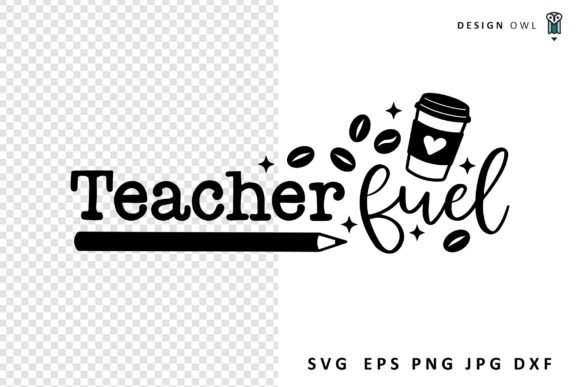
Upon opening the Teacher Fuel - Coffee SVG, the immediate impression is one of relatable warmth and functional humor. The layout typically balances bold typography with recognizable iconography, creating a mood that is both energetic and comforting. As a digital embroidery file, the clean lines suggest it was created with versatility in mind. For an Etsy seller or small shop product creator, this aesthetic hits the sweet spot for teacher appreciation gifts, back-to-school season, and staff morale boosters.
The visual personality leans towards modern farmhouse or minimalist chic, depending on your thread color choices. Unlike overly complex illustrations that can become muddy when stitched, this design’s simplicity is its strength. It reads clearly from a distance, which is crucial for custom apparel like sweatshirts or tote bags where the viewer is often several feet away. The balance of negative space allows the fabric texture to breathe, preventing the "bulletproof" patch effect that can occur with poorly digitized graphics.
Real-World Application: The Canvas Tote Test
To truly evaluate this asset, I mentally placed it in a specific production scenario: a heavy-weight canvas tote bag intended as an end-of-year gift for educators. In this context, the Teacher Fuel - Coffee SVG serves as more than just decoration; it is a branding element for the recipient's identity. Canvas is a forgiving fabric, but it has a distinct weave that can swallow fine details.
For this tote bag design, I would utilize a combination of techniques. If treating this as an applique design, the coffee cup element could be executed in fabric to reduce stitch count and add tactile interest. The text, however, demands precision. A satin stitch works beautifully for shorter words like "Fuel," providing a raised, glossy finish that contrasts well against matte canvas. For longer phrases, a running stitch or bean stitch offers durability without excessive density. This mixed-media approach elevates the finished product from a generic craft to a premium handmade product.
From a business perspective, this specific application has high perceived value. Teachers use tote bags daily, making the visibility of your work significant. When using this embroidery file for commercial purposes, the legibility on a textured surface directly correlates to customer trust and repeat business. A crisp, readable design signals quality craftsmanship.
Navigating Fabric Challenges and Hoop Limitations
While the Teacher Fuel - Coffee SVG is versatile, it requires careful consideration regarding substrate selection. Not all fabrics are created equal, and what works on canvas may fail on performance wear or knits.
- Stretchy Fabrics: If applying this to a t-shirt or lightweight sweatshirt, you must account for fabric distortion. Knit fabrics stretch during hooping and stitching. Without proper stabilization, the letters in the Teacher Fuel - Coffee SVG could pull or gap. Always use a cut-away stabilizer for knits to maintain the integrity of the stitch density.
- Textured and Pile Fabrics: On terry cloth towels or fleece blankets, the design risks getting lost in the pile. You cannot simply stitch over these textures. A water-soluble topping is mandatory to keep the stitches visible and prevent the thread from sinking into the nap. This is especially vital for baby embroidery items where softness is key but clarity is desired.
- Small Hoop Sizes: Resizing is often necessary for sleeve cuffs, baby onesies, or pocket placements. Be cautious when scaling down. If the original file contains intricate internal details within the coffee cup or lettering serifs, reducing the size below 60% may cause registration issues or thread breaks. Always verify the minimum safe size before committing to a run.
- Dark Fabrics: Contrast is king. White or cream thread on navy fabric creates a classic look, but ensure your underlay is sufficient to prevent the dark fabric from showing through lighter threads. Conversely, dark thread on light fabric requires less underlay but demands perfect tension to avoid puckering.
Commercial Viability and Brand Consistency
For creative entrepreneurs and apparel decorators, the Teacher Fuel - Coffee SVG is a reliable workhorse asset. Its broad appeal makes it suitable for various revenue streams, from direct sales at craft fairs to digital mockups for online listings. However, professionalism lies in execution. A printable mockup generated from the JPG or PNG files included in the package can help visualize placement before stitching, saving time and materials.
When selling commercial embroidery services, consistency builds your brand. Using this design across multiple products—matching mugs, shirts, and bags—creates a cohesive collection. The inclusion of EPS and DXF formats alongside SVG ensures you can edit the vector source if needed to adjust spacing or simplify elements for smaller applications. This flexibility is invaluable for design assets management in a busy studio.
Furthermore, consider the licensing. While the file types are compatible with Photoshop, Illustrator, Inkscape, and Cricut Design Space, always confirm the specific commercial license terms included with your purchase. Ensuring you have the right to sell finished goods versus digital files protects your business and respects the original digitizer’s intellectual property.
Essential Designer Notes for Success
Before loading the Teacher Fuel - Coffee SVG into your machine, adhere to these professional best practices to ensure a flawless outcome:
- Test Stitch First: Never assume a digital file is perfect for your specific machine and fabric combo. Run a test on scrap material identical to your final project. Check for thread breaks, tension issues, and alignment.
- Audit Stitch Density: Open the file in your embroidery software to inspect the density settings. If the fill areas feel too stiff, reduce the density slightly. If they look sparse, increase it. Adjust based on whether you are using polyester, rayon, or cotton thread.
- Verify Thread Colors: The digital preview may show specific colors, but real thread reflects light differently. Compare your physical thread chart against the design requirements. Remember that variegated threads can obscure small text details; solid colors are safer for readability.
- Check Licensing for Digital Sales: If you plan to resell the modified design or include it in a bundle, verify that the license permits this. Most standard licenses cover physical personalized gift sales but restrict digital redistribution.
- Mockup Validation: Use the provided PNG or JPG to create realistic product previews for your Etsy seller listing. Accurate representation reduces returns and sets correct expectations for buyers regarding size and placement.
The Teacher Fuel - Coffee SVG offers excellent potential for makers and business owners alike. By respecting the technical limitations of embroidery and leveraging the design’s inherent charm, you can transform a simple graphic into a cherished, high-quality product. Whether you are crafting a single holiday embroidery gift or fulfilling a bulk order for a school district, thoughtful preparation ensures your work stands out in a crowded marketplace.