One Lucky Kindergarten Teacher Retro: A Stitch Review
As a designer who spends as much time behind an embroidery machine as I do at a computer screen, I approach every new graphic with a specific question: will this actually stitch out well? When evaluating the One Lucky Kindergarten Teacher Retro design, my assessment goes far beyond the digital preview. While this asset is marketed primarily as a digital file for cutting machines like Cricut and Silhouette, its bold, nostalgic aesthetic makes it a prime candidate for adaptation into a machine embroidery design. For fellow Etsy sellers, apparel decorators, and craft business owners, understanding how this retro style translates from screen to fabric is the difference between a bestseller and a production headache.
Capturing the Retro Vibe in Thread
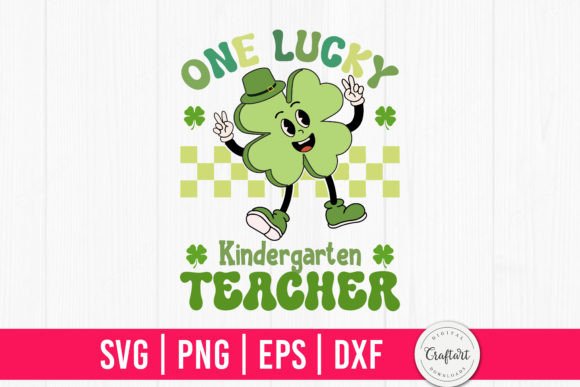
The first impression of One Lucky Kindergarten Teacher Retro is undeniably cheerful. It carries that distinct 70s-inspired warmth—groovy typography, playful proportions, and a layout that feels organic rather than rigid. In the world of Graphics and Crafts, this visual personality is gold. However, when I look at this design through the lens of an embroiderer, I am immediately analyzing the negative space and line weight. Retro fonts often feature varying stroke widths that look fantastic in vinyl but can be tricky in thread.
For a sweatshirt embroidery project, which is currently trending heavily in the teacher appreciation niche, this design’s mood is perfect. It strikes a balance between professional and personable. Unlike stiff, corporate logos, this retro style suggests a handmade product created with care. The challenge lies in preserving that vintage charm without losing definition. If you are converting this SVG into an embroidery file, you must decide whether to honor the original variable lines with satin stitches or simplify them into fill stitches for better stability on knit fabrics.
Real-World Application: The Teacher Tote Test
To truly judge the viability of One Lucky Kindergarten Teacher Retro, I mentally placed it onto a canvas tote bag—a staple item for educators. Teachers carry heavy loads, and their gear needs to be durable. This is where practical design judgment matters most. A tote bag design cannot just be pretty; it must withstand friction and washing.
In this scenario, I would avoid using this design as a massive back print. Instead, it shines as a centered chest logo on a sweatshirt or a 4x4 inch motif on the front pocket of an apron. The retro lettering has enough presence to be readable from a distance in a classroom setting, yet it retains enough intricacy to look high-quality up close. For commercial embroidery businesses targeting schools, this design offers excellent versatility. It works equally well for end-of-year gifts, retirement tributes, or "first day of school" merchandise. The key is scaling. Because the product description highlights this as a print-ready file for cutters, those digitizing it for needle and thread must verify that the smallest elements remain legible when resized for standard hoop sizes.
Navigating Fabric Textures and Stabilizers
Retro designs often tempt us to use textured fabrics like waffle knits, linen, or distressed cotton to enhance the vintage feel. However, this is where One Lucky Kindergarten Teacher Retro requires caution. Detailed retro serifs and thin connecting lines can get lost in the weave of a textured fabric. If you are planning a baby embroidery project on a ribbed onesie or a tea towel with a slub texture, you must adjust your strategy.
I recommend testing the design on scrap fabric first. For stretchy materials like performance tees or lightweight knits, a cut-away stabilizer is non-negotiable to prevent the retro curves from distorting. If you are attempting an applique design variation using this graphic, ensure your running stitch tack-downs are secure before laying the fabric. The playful nature of this design means that any puckering or misalignment will be glaringly obvious against the smooth, intended retro aesthetic. Always check your stitch density; retro styles can sometimes become bulletproof if auto-digitized too heavily, making a soft sweatshirt uncomfortable to wear.
Commercial Value and Customer Perception
For the creative entrepreneur or small shop product line, visual appeal directly correlates to perceived value. One Lucky Kindergarten Teacher Retro succeeds because it taps into emotional nostalgia. Customers trust products that feel authentic. When this design is executed correctly, it elevates a blank garment into a personalized gift that feels bespoke.
However, professionalism is paramount. If you are selling finished items on Etsy or at craft fairs, inconsistent stitching quality will hurt your brand faster than anything else. Before listing a product featuring this design, create printable mockups to visualize placement, but never rely on them solely. You must stitch a physical sample. Check thread colors against both light and dark backgrounds; retro palettes often include mustard yellows and burnt oranges that may need higher contrast on cream fabrics to pop. Confirming that your final embroidered patch or apparel piece matches the crispness of the digital art builds buyer engagement and reduces returns.
Designer Notes for Safe Adaptation
Since One Lucky Kindergarten Teacher Retro is provided as an SVG/PNG/DXF/EPS package for cutting machines, there are critical steps to take before running it through an embroidery machine. Please heed these practical notes:
- Verify Licensing: The product description specifies usage for cutting machines. Before selling any finished product or digitized version, confirm that your license permits commercial embroidery use. Do not assume cross-platform rights.
- Digitization is Key: Do not attempt to auto-trace this SVG directly in embroidery software without manual cleanup. Retro fonts require manual node editing to ensure smooth satin stitch columns and proper pull compensation.
- Check Small Details: Inspect the design for tiny serifs or isolated dots. These may need to be enlarged or removed to prevent needle breaks or thread nests during production.
- Hoop Size Compatibility: Measure the design dimensions after digitizing. Ensure it fits comfortably within your machine’s maximum sewing field with adequate margin for hooping.
- Thread Color Testing: Retro colorways can be subjective. Test variegated threads versus solid colors to see which best captures the intended vintage mood without looking messy.
- Wash Testing: If creating items for frequent use like kitchen towels or baby bibs, wash your test swatch. Retro fill stitches can sometimes shrink differently than the base fabric.
Fitting the Design to the Right Project
Not every project suits every design. One Lucky Kindergarten Teacher Retro is exceptionally strong for holiday embroidery during St. Patrick’s Day or Teacher Appreciation Week due to the "Lucky" theme. It also serves beautifully for boutique branding on packaging or thank-you cards when used in its native PNG/SVG format. However, I would advise against using this specific retro style for formal wedding gifts or somber memorial items, as the playful typography sets a distinctly casual tone.
For those creating custom apparel for school staff, consider pairing this design with simple block text for names or dates. The retro element provides the personality, while clean sans-serif text ensures readability and balances the overall composition. This combination maximizes the design's strengths while mitigating potential legibility issues in smaller formats.
Final Thoughts on Production Readiness
Ultimately, One Lucky Kindergarten Teacher Retro is a versatile asset with immense potential for the maker community. Its success in embroidery depends entirely on respectful adaptation. By treating the source file as a blueprint rather than a final pattern, and by rigorously testing on your intended substrates, you can transform this digital graphic into a tangible, high-quality product. Whether you are crafting a single personalized gift for a favorite educator or launching a seasonal collection for your craft business, let practical testing guide your creativity. The result will be a piece that honors both the retro inspiration and the integrity of machine embroidery craftsmanship.