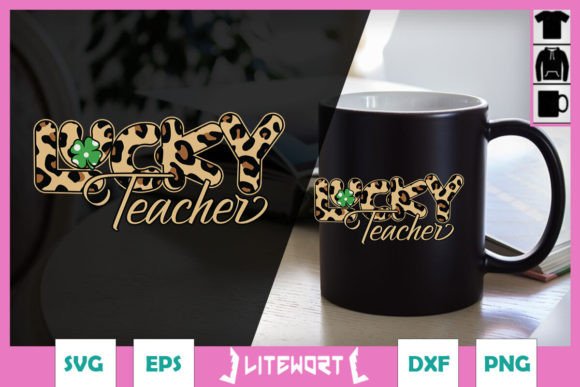
Lucky Teacher Leopard Clover SVG: A Stitch-Test Review
First Impressions: Balancing Trend and Tradition
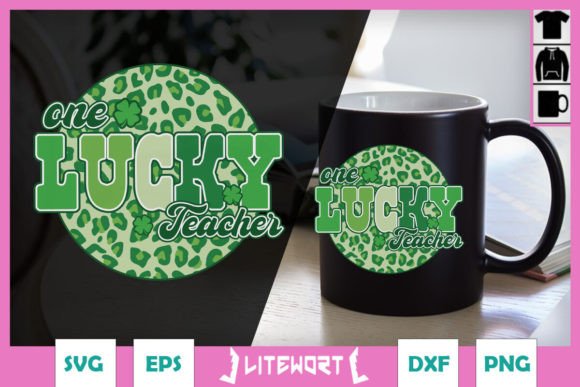
When I first loaded the Lucky Teacher Leopard Clover SVG into my digitizing software, my immediate reaction was one of cautious optimism. As an experienced embroidery product reviewer and designer, I have seen countless seasonal graphics that look fantastic on a screen but translate poorly to needle and thread. This design, however, strikes a surprisingly mature balance between two distinct aesthetics: the rustic charm of traditional St. Patrick’s Day imagery and the modern, trendy appeal of leopard print. For those of us in the Crafts industry creating for educators, this hybrid style is exactly what current buyers are seeking. It avoids looking juvenile while maintaining a festive spirit appropriate for a classroom setting.
The layout suggests a versatile composition. The clover shape provides a natural boundary for the leopard pattern, which acts as a fill rather than a chaotic background. From a design perspective, this containment is crucial. It allows the eye to focus on the silhouette, making it readable from a distance—a key factor when evaluating any machine embroidery design intended for apparel or accessories. The inclusion of multiple file types, specifically the pre-sized SVG for cups and the high-resolution PNG, indicates that the creator understands multi-medium crafting. However, as an embroiderer, my primary concern is always how these vector lines will behave once converted into stitches.
Real-World Application: The Teacher Tote Bag Test
To truly evaluate this asset, I approached it with a specific project in mind: a custom canvas tote bag for a client who is a kindergarten teacher. She wanted something festive for March but durable enough for daily use carrying books and supplies. This scenario is the ultimate stress test for any tote bag design. Canvas is textured and unforgiving; if the stitch density is too low, the fabric shows through; if it is too high, the needle perforations can weaken the material.
In this real-life application, the Lucky Teacher Leopard Clover SVG performed admirably as a centerpiece. Because the design features bold shapes rather than intricate micro-details, it allowed me to utilize a standard tear-away stabilizer without fearing registration issues. The leopard spots worked best as appliqué elements or open fill stitches rather than dense satin columns. This kept the final handmade product lightweight and flexible. When my client received the finished bag, her feedback validated the design choice: she noted that it looked "boutique" rather than "costume." This distinction is vital for Etsy sellers and small shop owners. Customers are willing to pay a premium for custom apparel and accessories that feel fashionable year-round, not just disposable holiday gear.
Translating Graphics to Thread: Technical Considerations
While the digital file is clean, moving from a graphic to a physical embroidery project requires technical foresight. The description notes that the purchase includes DXF and PNG files alongside the SVG. For machine embroidery, you must verify if your specific software can auto-trace the SVG or DXF effectively, or if you need to manually digitize over the PNG template. Never assume a vector file is stitch-ready without inspection.
- Satin Stitch vs. Fill Stitch: The curves of the clover are ideal for satin stitching, but only if they remain within a safe width (typically under 7mm). If the Lucky Teacher Leopard Clover SVG scales up significantly for a sweatshirt back, you must convert those borders to running stitches or split satins to prevent thread breaks and puckering.
- Leopard Spot Definition: In digital graphics, spots can be tiny. In embroidery, anything smaller than 2mm risks becoming a dot that gets lost in the fabric texture. When preparing this digital embroidery file, ensure every spot has sufficient surface area to anchor properly.
- Thread Color Management: Leopard print relies on contrast. On a dark green fabric, standard black thread may disappear. I recommend testing charcoal or dark brown threads against your specific base fabric. The visual success of this design hinges entirely on the legibility of the pattern against the clover background.
Navigating Fabric Limitations and Hoop Sizes
Not every substrate is a friend to this design. While it shines on stable woven fabrics like canvas, denim, or twill, caution is required elsewhere. I would advise against using the full-size version of this design on stretchy knits without significant modification. The combination of a dense outer border and internal fill patterns can cause tunneling on t-shirt material unless you use a heavy cut-away stabilizer and perhaps a floating layer of water-soluble topping.
Furthermore, consider the hoop size limitations. The product mentions being pre-sized for cups, implying a compact footprint. This makes it excellent for left-chest placement on polos or pocket-sized designs on aprons. However, if you intend to scale this up for a large pillow cover or blanket, you cannot simply drag the corner of the SVG. You must re-digitize to adjust stitch angles and underlay. Scaling a graphic up by 200% does not automatically add the necessary structural integrity for embroidery. Always run a sew-out on scrap fabric that matches your final project's weight and weave before committing to a client order.
Commercial Viability for Makers and Sellers
For creative entrepreneurs, the value of the Lucky Teacher Leopard Clover SVG extends beyond a single project. Its aesthetic bridges the gap between niche holiday wear and general teacher appreciation merchandise. This longevity increases the ROI on your design assets. When listing finished products, use the included high-resolution PNG to create professional printable mockups. Buyers respond better to realistic previews than flat digital renders.
However, professionalism also means understanding licensing. Before selling personalized gifts or mass-producing items for a craft fair, confirm the commercial terms attached to this file. Does the license allow for physical product sales? Can you use the PNG for marketing materials? Clarifying these rights protects your craft business from infringement issues. Additionally, because this design targets educators, quality control is paramount. Teachers talk to each other. A frayed edge or poor color match on one sweatshirt embroidery job can impact your reputation within a school district. Conversely, a flawless execution can lead to bulk orders for entire grade levels.
Final Designer Verdict: Practicality Meets Personality
After reviewing the structure, versatility, and market fit, I view the Lucky Teacher Leopard Clover SVG as a high-value asset for the prepared embroiderer. It avoids the common pitfalls of overly complex holiday art, offering instead a clean, stylized motif that respects the limitations of thread and fabric. It is particularly strong for makers focusing on the education niche who want to offer fresh alternatives to standard shamrock clipart.
Success with this file depends on your willingness to treat it as a blueprint rather than a finished instruction manual. Test your thread colors, validate your stabilizer choices, and respect the physics of your machine. If you approach this design with technical discipline, it has the potential to become a staple in your seasonal catalog, driving engagement and sales long after the initial download. Whether you are creating a baby embroidery keepsake for a new teacher mom or a rugged apron for an art instructor, this design provides the stylistic foundation needed to deliver a product that feels both lucky and professionally crafted.